Berlin: Germany's Dynamic Capital Awaits
Experience the perfect blend of history, culture, and modern innovation in one of Europe's most exciting destinations. From world-class museums to vibrant nightlife, Berlin offers unforgettable experiences for every traveler.
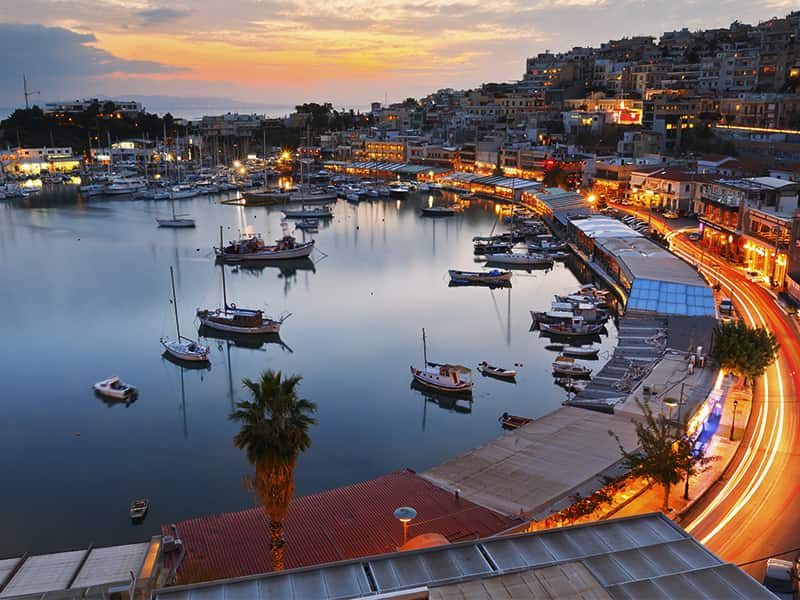
Berlin stands as Germany's capital and largest city, renowned for its profound historical significance, cutting-edge arts scene, and remarkable affordability compared to other major European capitals. Whether you are planning a cultural getaway, business trip, or extended exploration, this comprehensive guide provides everything you need to know about flights, accommodation, ground transport, costs, and seasonal considerations.
With its extensive public transport network, diverse neighbourhoods, and wealth of attractions ranging from the iconic Brandenburg Gate to the East Side Gallery, Berlin welcomes millions of visitors annually. The city's temperate climate, excellent rail connections, and growing array of direct flights make it increasingly accessible from destinations worldwide.
✈️ Airports & Flights to Berlin
Berlin Brandenburg Airport (BER)
Berlin Brandenburg Airport serves as the city's main international gateway, located approximately 26 kilometres southeast of the city centre. The airport opened in 2020 and consolidates all commercial air traffic for the German capital.
BER features two terminals handling both Schengen and non-Schengen flights. Major airlines operating from Berlin include Lufthansa, easyJet, Ryanair, Eurowings, and numerous international carriers offering connections across Europe, North America, and beyond.
Direct destinations from Berlin include major European cities such as London, Paris, Amsterdam, Barcelona, Madrid, Rome, and Vienna, plus long-haul routes to New York, Newark, Boston, Denver, and select Middle Eastern hubs.
Ground Transport from BER Airport
Reaching central Berlin from BER Airport is straightforward via multiple transport options. The FEX express train and RE20 regional rail connect the airport to Berlin Hauptbahnhof in approximately 23 minutes, with four hourly departures.
S-Bahn lines S9 and S85 provide additional direct connections to various city districts. An ABC zone ticket is required for airport travel, currently priced at 5.00 euros for a single adult fare. No airport surcharge applies.
Taxis and ride-sharing services are available outside both terminals, with typical fares to the city centre ranging from 45 to 60 euros depending on your exact destination and traffic conditions.
✈️ Flight Booking Tips
- Book international flights 2–3 months in advance for optimal pricing
- Consider mid-week departures for lower fares compared to weekend travel
- Summer months (June–August) see peak demand and higher prices
- Budget carriers like easyJet and Ryanair offer competitive European routes
- Check both BER and nearby airports if flexible with arrival city
🚆 Train Stations & Rail Travel
Berlin Hauptbahnhof (Central Station)
Berlin Hauptbahnhof, located just 2.5 kilometres from the city centre, serves as Germany's largest crossing station and primary rail hub. The modern glass-and-steel structure opened in 2006 and handles over 300,000 passengers daily.
The station is served by Deutsche Bahn ICE high-speed trains, IC intercity services, regional trains, S-Bahn, and U-Bahn lines. International operators including ÖBB Nightjet, Flixtrain, and SNCF Voyageurs also operate from Hauptbahnhof.
Direct ICE connections link Berlin with Hamburg (approximately 1 hour 45 minutes), Munich (around 4 hours), Frankfurt (about 4 hours 15 minutes), and Amsterdam (roughly 5 hours 42 minutes with six daily departures).
Train Operators & Ticket Types
Deutsche Bahn operates Germany's national rail network with three main fare categories: Flexpreis (fully flexible), Sparpreis (discounted advance purchase), and Super Sparpreis (lowest non-refundable rates). Booking early typically yields significant savings.
Regional transport within Berlin and Brandenburg falls under the VBB tariff system. An AB zone single ticket costs 4.00 euros and remains valid for 120 minutes with unlimited changes in one direction. Day tickets and group tickets offer additional value.
The Deutschlandticket, priced at 49 euros monthly, provides unlimited travel on all regional trains and local transport nationwide, making it ideal for extended stays or frequent regional exploration.
🚆 Key Rail Routes from Berlin
🏨 Hotels & Accommodation
City Centre & Mitte
The central Mitte district places you within walking distance of Museum Island, Brandenburg Gate, and Alexanderplatz. This area suits first-time visitors seeking proximity to major attractions.
Hotel options range from luxury properties like the Hotel Adlon Kempinski to mid-range chains and boutique establishments. Expect nightly rates from 180 to 650 euros during peak season (May–September).
Excellent U-Bahn and S-Bahn connections provide easy access to all city districts from this central location.
Near Hauptbahnhof
Staying near Berlin's central station offers unparalleled convenience for rail travelers and those planning day trips. The area has seen significant hotel development in recent years.
Business hotels and modern mid-range properties dominate this district, with typical rates between 80 and 200 euros nightly. Many properties offer soundproofed rooms despite the busy location.
Multiple U-Bahn lines and tram routes connect the Hauptbahnhof area to attractions across the city within minutes.
Budget & Eastern Districts
Neighbourhoods like Friedrichshain, Kreuzberg, and Prenzlauer Berg offer vibrant atmospheres, excellent dining, and more affordable accommodation options. These areas appeal to younger travelers and those seeking local character.
Hostels, guesthouses, and budget hotels typically charge 25 to 80 euros per night. Boutique properties and renovated Altbau apartments provide stylish mid-range alternatives.
East Berlin districts feature renowned street art, nightlife venues, and the East Side Gallery, with strong public transport links to the centre.
🏨 Booking Considerations
- Flexible cancellation policies widely available on major booking platforms
- Book 1–2 months ahead for summer visits to secure best rates
- Consider hotels near U-Bahn stations for easy city-wide access
- Guest ratings above 8.0 typically indicate reliable quality
- City tax (Bettensteuer) of 5% applies to leisure stays, often included in quoted rates
🌤️ Weather & Climate
Seasonal Temperatures
Berlin experiences a temperate continental climate with distinct seasonal variations. Summer months bring warm, pleasant conditions ideal for outdoor exploration and café culture.
July and August represent the warmest period, with average daily highs near 23 degrees Celsius and occasional peaks exceeding 30 degrees. Winter temperatures typically range from -3 to 3 degrees Celsius in January and December, with occasional snowfall.
Spring (March–May) and autumn (September–November) offer mild conditions with temperatures between 7 and 18 degrees, though rainfall is distributed throughout the year.
Rainfall & Best Time to Visit
Annual precipitation averages approximately 653 millimetres, with July typically the wettest month at around 72 millimetres. February tends to be driest with roughly 44 millimetres of rainfall.
The most favourable visiting periods are May through September, when temperatures are comfortable and daylight hours are extended. June offers the longest days with over 16 hours of daylight.
Winter visitors should pack warm layers and waterproof footwear, while summer travelers benefit from light clothing with a jacket for cooler evenings and occasional rain showers.
🌤️ What to Pack by Season
💷 Currency & Payments
Euro Currency & Cards
Germany uses the euro (EUR) as its official currency. Credit and debit cards are increasingly accepted across Berlin, though some smaller establishments, cafés, and markets still prefer cash payments.
ATMs are widely available throughout the city, including at the airport, central station, and major shopping areas. Contactless payments via card or mobile wallet work at most supermarkets, chain stores, and many restaurants.
Consider carrying some cash for smaller purchases, street food vendors, and establishments displaying "Nur Bares ist Wahres" (only cash is real) signs.
Typical Costs in Berlin
Berlin remains one of Europe's most affordable capitals. A currywurst from an Imbiss stand costs approximately 4 euros, while restaurant mains typically range from 12 to 25 euros. A pint of beer costs 4 to 7 euros depending on location.
Public transport day tickets start at 11.20 euros for AB zones. Museum admissions generally fall between 10 and 20 euros, with many institutions offering discounted or free entry on certain days.
Budget travelers can manage on 40 to 60 euros daily including meals, transport, and attractions. Mid-range visitors typically spend 80 to 150 euros per day excluding accommodation.
💷 Money-Saving Tips
- Use public transport day tickets or the 49-euro Deutschlandticket for extensive travel
- Enjoy affordable street food at markets like Markthalle Neun
- Many museums offer reduced entry on first Sundays or specific weekdays
- Supermarkets like Lidl and Aldi provide budget-friendly meal options
- Tipping is appreciated but modest: round up bills or add 5–10% for good service
🗣️ Language & Communication
English in Berlin
English is widely spoken throughout Berlin, particularly in tourist areas, hotels, restaurants, and among younger residents. Most signage in transport hubs and major attractions includes English translations.
Tourist information centres, museum staff, and hospitality workers typically communicate fluently in English. Many restaurants offer English menus, and tour operators provide English-language options.
While German remains the official language, visitors comfortable only in English will navigate Berlin with minimal difficulty. Learning a few basic German phrases enhances interactions and is appreciated by locals.
Essential Phrases & Emergency Numbers
Useful German phrases include "Guten Tag" (good day), "Danke" (thank you), "Entschuldigung" (excuse me), and "Sprechen Sie Englisch?" (do you speak English?). Simple courtesies go a long way.
Emergency numbers in Germany are 112 for medical emergencies and fire brigade, and 110 for police. Both numbers are free and available 24/7 from any phone, with English-speaking operators typically available.
Translation apps like Google Translate or DeepL work well for menus, signs, and basic communication. Many Berliners also speak additional languages including French, Spanish, or Turkish.
📅 Bookings & Reservations
When to Book for Best Rates
Flights to Berlin typically offer the best value when booked 2–3 months in advance for international routes and 4–8 weeks ahead for European connections. Summer and major event periods command premium pricing.
Hotel rates rise significantly during peak season (May–September), major trade fairs, and cultural events like Berlinale in February. Booking accommodation 1–2 months ahead secures better availability and pricing.
Train tickets through Deutsche Bahn's Sparpreis system offer substantial discounts when purchased up to 6 months in advance, with prices increasing as departure dates approach.
Flexible Booking & Cancellation
Most major hotel booking platforms and airlines now offer flexible cancellation policies, particularly important given potential travel disruptions. Look for "free cancellation" filters when searching accommodation.
Train tickets vary by fare type: Flexpreis allows changes and refunds, while Sparpreis and Super Sparpreis have restrictions. Travel insurance covering trip interruption provides additional peace of mind.
Package deals combining flights and hotels sometimes offer savings, though booking separately often provides greater flexibility and control over individual components of your trip.
📅 Peak Season Considerations
- June–August: Warmest weather, longest days, highest prices and crowds
- December: Christmas markets attract visitors; book accommodation early
- February: Berlinale film festival increases hotel demand and rates
- Shoulder seasons (April–May, September–October): Pleasant weather, moderate prices
- Winter (January–March excluding events): Lowest accommodation rates, fewer crowds
Ready to Explore Berlin?
Berlin offers exceptional value, rich history, vibrant culture, and welcoming hospitality. Whether you are drawn to world-class museums, thriving arts scenes, historical landmarks, or legendary nightlife, Germany's capital delivers unforgettable experiences.
With excellent flight connections, efficient rail networks, diverse accommodation options, and costs significantly lower than Paris or London, Berlin represents one of Europe's most accessible and rewarding destinations.
Start planning your Berlin adventure today and discover why millions of travelers choose this dynamic city year after year.
Conclusion
Berlin stands as a testament to resilience, reinvention, and cultural richness. From the solemn memorials of its complex past to the innovative startups and creative communities shaping its future, the city offers layers of discovery for every visitor.
Practical planning around flights to BER Airport, accommodation in central or eastern districts, rail connections via Deutsche Bahn, and understanding seasonal weather patterns will enhance your experience. Budget-conscious travelers will appreciate Berlin's affordability, while culture seekers will find endless museums, galleries, performances, and historical sites to explore.
Whether visiting for a weekend city break, extended cultural immersion, or business engagements, Berlin welcomes you with open arms and countless opportunities for memorable experiences. Book your trip, pack appropriately for the season, and prepare to fall in love with one of Europe's most compelling capitals.
1000 Backlinks
Discover comprehensive backlink building strategies and SEO services to boost your website authority and search rankings.
English Resources
Explore English learning materials, language guides and educational content for students and professionals in Worcester.
Best Cities to Visit
Find expert travel recommendations and discover the world's most exciting destinations for your next adventure.
Professional Pages
Access professional web pages, portfolios and digital resources for business and personal development.