Plan with purpose
Discover the character of Copenhagen
Copenhagen is a compelling city-break choice for travellers who want culture, design, food, waterfront scenery and an easy-to-shape urban experience. Whether your visit is a short escape, a relaxed family trip or a carefully planned cultural break, the city can support different travel styles without requiring an overcomplicated itinerary.
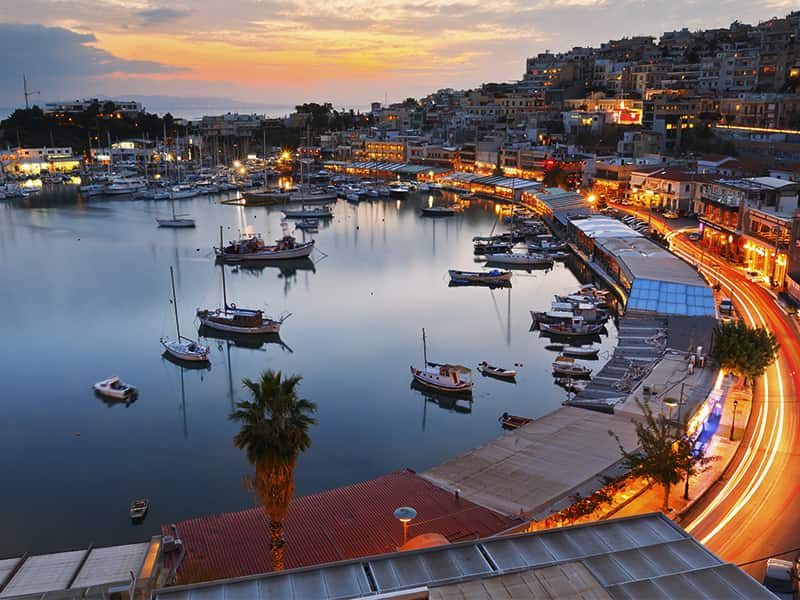
Why choose Copenhagen?
Copenhagen offers a strong mix of recognisable landmarks and everyday experiences. A morning can begin with a walk beside the water, continue through a museum or gallery, and end with a meal in a neighbourhood restaurant. The city’s appeal is not limited to one attraction, so visitors can build a trip around their own priorities.
Design-conscious travellers may enjoy the city’s visual identity, while food-focused visitors can explore cafés, bakeries and restaurants. Families can look for interactive experiences and open spaces, and first-time visitors can combine central sights with quieter streets away from the busiest routes.
A flexible city-break framework
- Choose a central base that reduces unnecessary travel between activities.
- Balance planned highlights with time for independent exploration.
- Group nearby sights together to make each day more comfortable.
- Allow space for weather changes, meal breaks and unexpected discoveries.
- Review opening arrangements before committing to a fixed schedule.
Shape your Copenhagen itinerary
A useful plan starts with the experience you want rather than a long list of places. Decide whether your priority is architecture, museums, food, shopping, family time, waterfront walks or a blend of several interests. Then choose a manageable number of activities for each day.
For a shorter visit, focus on the central area and select one or two headline experiences. For a longer stay, add neighbourhood exploration, slower meals and time to revisit a favourite part of the city.
Culture and design
Build a thoughtful day around museums, galleries, architecture and design-focused spaces. Check exhibitions, entry arrangements and visiting hours before travelling, especially when a particular collection or event is central to your plans.
- Reserve time for one substantial cultural visit.
- Pair indoor activities with a nearby walk.
- Keep your schedule adaptable for exhibitions and events.
Food and neighbourhood life
Use meals as part of the itinerary rather than treating them as gaps between attractions. Explore different café styles, consider booking popular dining experiences and leave room for an unplanned stop when a street or venue catches your attention.
- Plan key meals while keeping some flexibility.
- Look beyond the most prominent visitor areas.
- Confirm dietary and accessibility needs in advance.
Waterfront and outdoor time
Waterfront areas can add a sense of space to a city break. Walk at a comfortable pace, consider an outdoor activity when conditions are suitable and keep an indoor alternative available if the weather changes.
- Choose practical footwear for extended walking.
- Plan scenic routes between selected activities.
- Use outdoor time as a flexible part of the day.
Choosing where to stay
The best base depends on how you intend to spend your time. A central location can simplify sightseeing and make it easier to return for a break. A quieter neighbourhood may provide a more residential atmosphere and can suit travellers who prefer slower mornings and local routines.
When comparing accommodation, consider more than the nightly rate. Review the total cost, room arrangements, check-in process, cancellation terms, accessibility details and distance from the activities you care about most. A slightly higher rate may represent useful convenience if it reduces daily travel or provides facilities your group needs.
Accommodation checklist
- Compare the full price, including any stated additional charges.
- Check the location using the exact address and your planned routes.
- Read recent guest feedback for cleanliness, noise and service.
- Confirm bed configuration, lifts and accessibility arrangements.
- Review cancellation and amendment conditions before payment.
- Ask whether luggage storage is available when arrival times vary.
Budgeting for your visit
Travel costs in Copenhagen depend on the season, accommodation standard, dining choices, attraction plans and transport needs. Rather than relying on a single headline figure, prepare a daily estimate with separate amounts for lodging, meals, activities, local travel and a contingency.
Compare the cost of individual admissions with any available visitor or transport options that match your itinerary. Only choose a pass when the included benefits fit your actual plans. For dining, combine a planned restaurant meal with simpler options to maintain control without removing variety.
Getting around with confidence
Before arrival, map the relationship between your accommodation, the places you want to visit and your arrival point. This simple step helps you understand realistic travel time and prevents an ambitious itinerary from becoming tiring.
Use official transport information for current routes, timetables, fares and service changes. Decide whether you prefer to pay for individual journeys or use a suitable travel option. Keep your ticket information accessible and allow extra time when travelling with children, luggage or mobility equipment.
Arrival and daily planning
- Check the most suitable arrival route to your accommodation.
- Confirm where tickets are purchased and how they are validated.
- Group nearby activities instead of crossing the city repeatedly.
- Allow additional time for luggage, queues and unfamiliar routes.
- Keep a backup plan for delays or changes in opening arrangements.
A relaxed visit
Select fewer fixed appointments, begin with a gentle walk and keep afternoons open. This approach suits travellers who value atmosphere, cafés, shopping and unhurried meals over a tightly packed schedule.
A culture-led visit
Choose a small number of priority museums, exhibitions or architectural experiences. Check practical details before departure, then arrange nearby food and outdoor time around each visit.
A family visit
Plan one major activity per day, add breaks and select accommodation with room for everyone to rest. A flexible schedule makes it easier to respond to energy levels and changing interests.
Compare planning approaches
Approach | Best for | Planning focus | Main advantage |
|---|---|---|---|
Flexible | Repeat visitors and slow travellers | Choose a few priorities and leave open time | More freedom to follow local atmosphere |
Structured | Short city breaks | Book essential experiences and group locations | Clear use of limited time |
Balanced | First-time visitors and mixed groups | Combine fixed highlights with flexible periods | Useful structure without constant rushing |
Booking considerations
Book the elements that are likely to shape the rest of your trip first, such as accommodation and any activity with limited availability. Compare the conditions attached to each option, not just the initial price. A flexible booking can be valuable when arrival times, weather or group arrangements are uncertain.
Keep confirmation details together and check them shortly before departure. Look for the correct date, time, meeting point, guest names and amendment rules. If a booking is non-refundable, make sure the plan is realistic before paying.
Before you confirm
- Check dates, times and the number of travellers.
- Read inclusions, exclusions and cancellation conditions.
- Confirm accessibility, dietary or child-related requirements.
- Save confirmations where they can be accessed offline.
- Review the plan if a major activity depends on conditions.
Turn your ideas into a practical plan
Start by choosing your preferred travel pace, select the experiences that matter most and build the rest of the visit around them. A clear plan gives you confidence while leaving enough room to enjoy Copenhagen naturally.
Make Copenhagen your own
Copenhagen works best when the itinerary reflects the people taking the trip. Some visitors will remember a carefully selected cultural experience, while others will value a long walk, a memorable meal or the freedom to explore without checking the clock. The strongest plans make room for both deliberate choices and spontaneous moments.
Use this guide as a starting point: define your priorities, compare practical options, check current details before booking and keep your daily schedule manageable. With those foundations in place, you can create a Copenhagen visit that feels organised, comfortable and genuinely personal.
Alex Costin Pages
Explore the Alex Costin pages for a focused collection of online content and useful website resources.
1000 Backlinks
Discover the 1000 Backlinks page on 2let2cardiff.com for information about backlink-focused online promotion.
Worcester Nightlife
Visit the English-language Worcester Nightlife website for nightlife-focused information and local discovery.
Best Cities to Visit
Explore Promote Barcelona’s guide to the best cities to visit for travel inspiration and destination ideas.