Explore with purpose
Discover Tel Aviv with a clearer plan
Tel Aviv is a lively destination for travellers who want a city experience shaped by coastline, urban energy, food, culture and flexible days. Whether you are preparing for a first visit, comparing ideas for a short break or organising a longer stay, a thoughtful plan can help you use your time well without removing the freedom to explore.
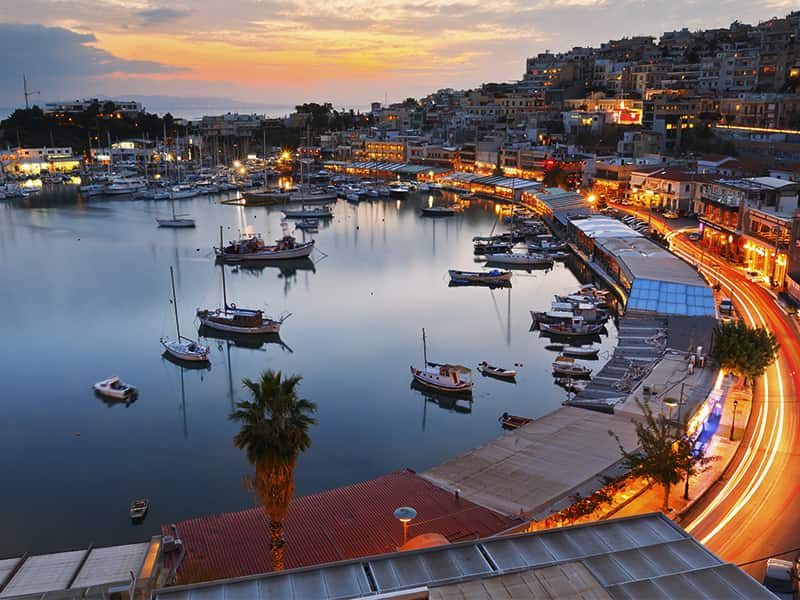
A city for flexible days
Build a morning around a walk, reserve time for a meal, and leave space for neighbourhood discoveries. This approach works well when your priorities may change after arrival.
- Combine planned highlights with open time.
- Keep daily routes practical and manageable.
- Choose activities that match your pace.
Experiences worth comparing
A useful shortlist might include food-led experiences, cultural visits, seaside time, markets, architecture and evening activities. Comparing options before booking helps you choose confidently.
- Check what is included before paying.
- Review duration, meeting details and access.
- Look for plans that fit your interests.
Planning without guesswork
Good preparation starts with the details that affect your day: where you will stay, how you will move around, what needs advance booking and how much flexibility you want.
- List essential arrangements first.
- Separate fixed plans from optional ideas.
- Keep confirmation details easy to access.
Why Tel Aviv may suit your plans
Choosing a destination is easier when its character matches the type of trip you want. Tel Aviv can appeal to visitors seeking a city break with varied ways to spend the day. You can create a plan focused on relaxation, discovery, food, culture, social time or a balanced mixture of all five.
The strongest itineraries are not necessarily the busiest. They make room for practical travel time, rest and spontaneous decisions. Instead of filling every hour, identify the experiences that matter most and arrange them in a realistic order. Then add flexible options that can be used if your energy, weather or interests change.
For curious travellers
Prioritise places and activities that help you understand the city through its streets, flavours, creative life and everyday rhythm.
For easy-going breaks
Create a simple framework with a few confirmed plans, convenient bases and enough free time to make the trip feel comfortable.
Choose a travel style
Start by deciding what you want the trip to feel like. A focused cultural visit may need advance planning for selected venues. A relaxed escape may benefit more from a convenient base and an adaptable schedule.
Families may value short transfers, breaks and activities with clear practical information. Couples may prefer a balance of food, walks and evening plans. Solo travellers may want a mix of independent exploration and bookable experiences that provide structure.
There is no single correct itinerary. The best choice is the one that reflects your available time, comfort level and priorities.
Build a sensible outline
Divide your planning into three layers. First, confirm the essentials, such as dates, accommodation and any time-sensitive arrangements. Second, group activities by area or theme so your days remain coherent. Third, keep a short list of optional ideas.
This method reduces repeated journeys and makes it easier to change plans. It also gives you a clear view of which reservations are important and which can wait until you know more about your day.
Keep the outline simple enough to remember and detailed enough to support confident decisions.
Practical information to check
Before committing to an activity or arrangement, review the information that affects suitability. Confirm the date, start time, duration, meeting point, inclusions, exclusions and cancellation terms. If mobility, dietary, family or accessibility needs matter, check whether the provider explains how those needs are supported.
- Confirm dates and operating times.
- Check the complete meeting information.
- Review what the price includes.
- Read cancellation and change conditions.
- Check suitability for everyone travelling.
- Save confirmations before departure.
Compare your options
Use this checklist to compare alternatives consistently rather than choosing only by headline appeal. A lower price may not represent better value if it excludes important elements or offers less flexibility.
Planning point | Questions to ask | Why it matters |
|---|---|---|
Location | Is the base convenient for your intended plans? | Less complicated movement can leave more time for the city. |
Timing | Does the schedule fit arrival, rest and other bookings? | A realistic day is easier to enjoy than an overfilled one. |
Inclusions | What is included, and what will require separate planning? | Clear details help you compare total value. |
Flexibility | Can you change or cancel if your plans shift? | Suitable terms can reduce avoidable stress. |
Suitability | Does the option meet the needs of everyone travelling? | Comfort and access should be considered before booking. |
Food and everyday discovery
Food can be one of the most practical ways to shape a city visit. Rather than planning every meal, choose a few priorities and leave room for informal choices. Compare menus, opening information and reservation requirements where relevant.
If your group has dietary requirements, communicate them clearly and confirm the response before relying on an option.
Culture and local character
Cultural plans can give your itinerary purpose. Consider how a venue, neighbourhood walk or creative experience fits with the rest of your day. Check current visitor information before travelling, particularly when timing matters.
A small number of well-matched activities can be more rewarding than a long list of disconnected stops.
Coast and open-air time
Time outdoors can provide a useful counterpoint to scheduled visits. Plan around comfort, personal preferences and conditions on the day. Carry what you need for a change of plan and avoid assuming that every outdoor activity will suit every traveller.
A flexible outdoor window is often easier to manage than a fixed programme.
Budget and booking decisions
A responsible budget begins with the costs you can identify, then allows room for choices made during the visit. Separate travel, accommodation, food, activities and local movement into broad categories. This gives you a framework without pretending that every traveller will spend the same amount.
When comparing bookable options, look beyond the first displayed figure. Check whether taxes, fees, transfers, equipment, meals or changes are included. Read the cancellation policy before payment and note the deadline in a calendar. If a flexible option costs more, decide whether that extra control is valuable for your circumstances.
Advance booking can be useful for limited-capacity activities or plans tied to a particular time. Other experiences may be easier to keep flexible. The right balance depends on your dates, priorities and tolerance for uncertainty.
Planning tip: Keep a simple record of confirmed arrangements, payment terms and cancellation deadlines. It can make changes much easier to manage.
A simple pre-trip checklist
- Confirm your travel dates and essential reservations.
- Choose accommodation that matches your planned activities.
- Review arrival and departure arrangements.
- Check the latest information for time-sensitive plans.
- Save confirmations and important contact details.
- Prepare a flexible alternative for key outdoor activities.
- Share the outline with everyone travelling.
Questions before you book
- Does this option support the purpose of the trip?
- Is the timing realistic alongside other plans?
- Are the inclusions and exclusions clear?
- What happens if I need to change the arrangement?
- Is the meeting or arrival information complete?
- Does it work for the needs of the whole group?
- Would a different option provide better flexibility?
Start planning Tel Aviv
Turn your ideas into a practical shortlist. Begin with the experiences that matter most, check the details that affect your decision and keep enough space for discovery. A clear next step can make the whole planning process feel more manageable.
Make your next step useful
Choose one action you can complete today. You might write a shortlist of priorities, compare two accommodation areas, review a cancellation policy or organise your confirmation details. Small decisions become valuable when they remove uncertainty from the next stage.
If you are travelling with others, agree on the non-negotiables first and leave secondary choices open. This helps the group move forward without spending too much time debating every detail. It also creates room for individual interests once you arrive.
Keep your plan visible, but treat it as a guide rather than a promise that every hour must be filled. The goal is a comfortable, informed visit that gives you both direction and freedom.
A confident way to approach Tel Aviv
Tel Aviv rewards thoughtful preparation and an open mind. Define the kind of experience you want, compare practical options, confirm the details that matter and protect time for unplanned discoveries. With that foundation in place, you can build a visit that feels organised without becoming rigid.
Alex Costin Pages
Explore the Alex Costin pages for a focused collection of online content and useful website resources.
1000 Backlinks
Discover the 1000 Backlinks page on 2let2cardiff.com for information about backlink-focused online promotion.
Worcester Nightlife
Visit the English-language Worcester Nightlife website for nightlife-focused information and local discovery.
Best Cities to Visit
Explore Promote Barcelona’s guide to the best cities to visit for travel inspiration and destination ideas.