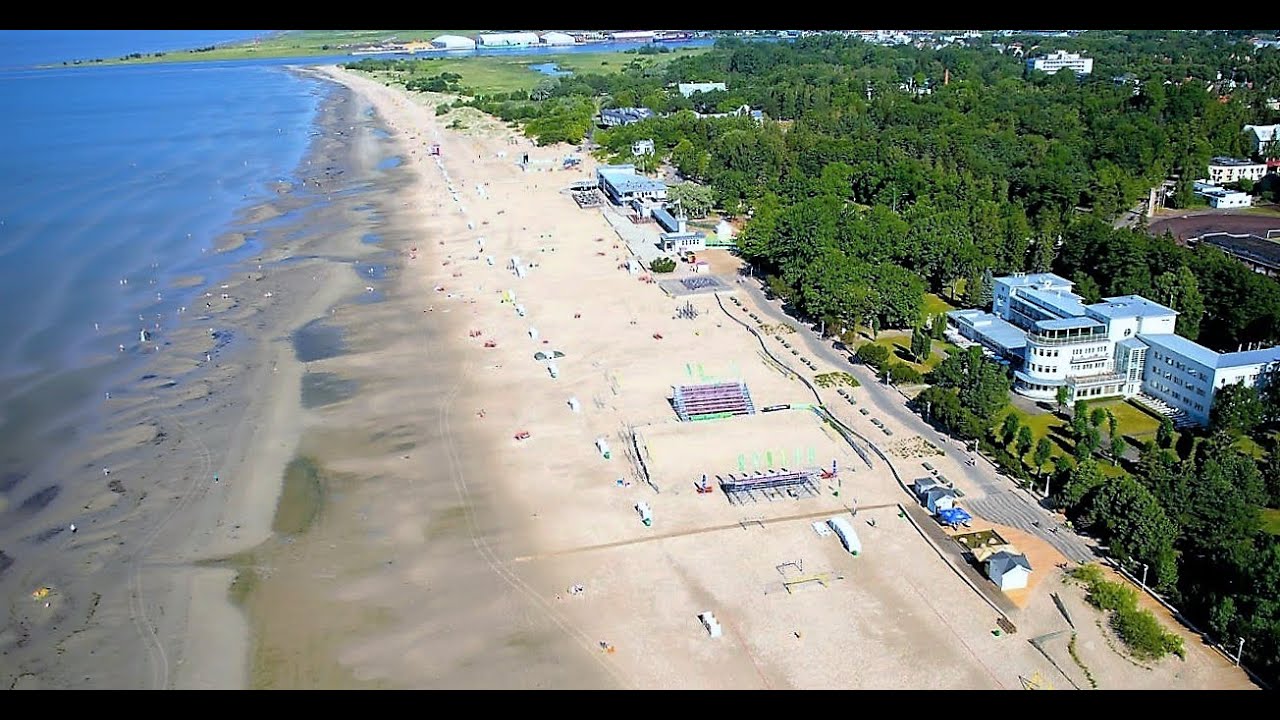
Russia is a vast country with a deep cultural history, major cities, varied landscapes, and important international business connections. This guide provides practical information for travelers, students, and professionals preparing to visit or work in Russia.

Russia: What You Should Know Before You Visit Beginner Friendly
Russia is the largest country in the world by land area, stretching across Eastern Europe and northern Asia. It shares borders with many countries and has coastlines on the Arctic Ocean, Pacific Ocean, Baltic Sea, Black Sea, and Caspian Sea.
The capital city is Moscow, a major center for business, government, culture, and international connections. Saint Petersburg is another important city, known for its historic architecture, museums, canals, and cultural life.
For beginners, Russia can feel overwhelming because of its size and cultural differences. Careful planning, clear communication, and basic knowledge of local customs can make a visit or business trip easier and more comfortable.
Quick Self-Check Practical
Before planning a trip or business visit, ask yourself:
- Do I know which cities and regions I want to visit?
- Do I understand current travel requirements and entry rules?
- Do I need English support for meetings, travel, or study?
- Have I prepared the documents and bookings required for my visit?
Why Russia Is Important for Learners and Professionals Business English
Russia has a major cultural, scientific, and economic presence. Its cities, universities, industries, and cultural institutions attract visitors, students, researchers, and business professionals from around the world.
Travelers may be interested in historic architecture, theaters, museums, natural landscapes, and traditional culture. Business visitors often focus on energy, technology, manufacturing, logistics, education, and international trade.
Understanding Russia before you arrive helps you plan responsibly. You can prepare for professional meetings, understand cultural expectations, and communicate more clearly in English.
Explore History and Culture
Discover historic architecture, literature, music, museums, and major cultural traditions.
Understand Geography and Travel
Learn about major cities, regions, transport planning, and the importance of preparing for long distances.
Build Business Connections
Prepare clear English communication for meetings, networking, and workplace collaboration.
What You Will Learn About Russia
This article provides practical information about Russia for beginners. It is designed to help you prepare for travel, study, work, or business communication with confidence.
- The geography, culture, and major cities of Russia.
- Useful travel information for first-time visitors.
- Important cultural customs and communication tips.
- Business English phrases for meetings and workplace situations.
- Common mistakes travelers and professionals should avoid.
- A simple weekly plan for learning about Russia and improving English.
Your Learning Focus
Learning about Russia becomes easier when you divide the topic into clear areas. Use these focus areas to guide your reading, listening, speaking, and writing practice.
These focus areas are flexible. Choose the areas that match your travel plans, professional goals, or English-learning needs.
Essential Information About Russia for First-Time Visitors Practical
Russia is a large country, so it is important to plan realistically. A trip that includes several cities or regions requires more time for transportation, weather preparation, and rest.
Moscow and Saint Petersburg are the most common destinations for first-time visitors. Other regions offer different experiences, including historic cities, natural landscapes, and cultural traditions.
Main Places to Know
Place | Why It Is Important | Visitor Example |
|---|---|---|
Moscow | The capital and major business center | I would like to visit the historic center of Moscow. |
Saint Petersburg | A major cultural and historic city | Saint Petersburg is known for its museums and architecture. |
Kazan | An important city with a diverse cultural heritage | Kazan is a good place to learn about different cultural traditions. |
Sochi | A city on the Black Sea coast | We plan to visit Sochi during our trip. |
Novosibirsk | A major city in Siberia | Novosibirsk is an important center for science and business. |
Useful Phrase of the Day Quick Tip
Could you please tell me how to get to the city center?
This polite question is useful when asking for directions in Moscow, Saint Petersburg, or another city in Russia.
Russian Culture and Communication: What to Expect
Russian culture has strong traditions in literature, music, theater, family life, and hospitality. Visitors may notice that communication can be direct, especially in professional settings.
Politeness in Russia is often shown through respectful greetings, calm speech, and clear intentions. A professional tone and patience are appreciated in both social and business situations.
In business meetings, a handshake and eye contact are commonly appropriate when meeting someone. Use professional language until you understand the preferred level of formality.
Communicate Clearly
Use direct, polite language and confirm important details such as times, places, and next steps.
Be Punctual
Arriving on time shows professionalism and respect, especially in business meetings.
Learning a few Russian words can create a positive impression. Even a simple greeting shows interest in the local culture and can make communication easier.
Travel Planning in Russia: Simple Steps for Beginners
Good planning is especially important in Russia because distances between cities can be long. Start by choosing your main destination, travel dates, and the type of experience you want.
If you enjoy history and culture, begin with Moscow or Saint Petersburg. If you are traveling for work, plan extra time for meetings, transport, and professional networking.
- Choose your main destination and length of stay.
- Check current travel requirements and entry rules.
- Prepare necessary documents and confirm bookings.
- Plan transportation carefully between cities or regions.
- Prepare simple English phrases for hotels, restaurants, and directions.
Short Booking Email Example Workplace Example
Subject: Hotel Booking Request
Dear Hotel Team,
I would like to book a double room from Monday to Wednesday.
Could you please confirm the availability and total price?
Thank you for your assistance.
Best regards,
Sarah Miller
Clear written communication is useful for hotels, tour operators, airlines, and business contacts. It reduces misunderstandings and helps you receive the information you need.
Common Mistakes When Visiting Russia Common Mistake
Many travel problems can be avoided with preparation. Beginners often underestimate travel distances, weather conditions, or the importance of confirming bookings and entry requirements in advance.
Common Mistake | Better Choice | Why It Helps |
|---|---|---|
Planning too many cities in a short time. | Focus on one or two main destinations. | It creates a more realistic and comfortable trip. |
Assuming everyone speaks the same language. | Learn basic local greetings and use polite English. | It shows respect and improves communication. |
Booking accommodation without checking the location. | Check transport links and nearby attractions. | It saves time and reduces travel stress. |
Arriving late to business meetings. | Plan to arrive early. | It demonstrates professionalism and respect. |
Common Mistake vs. Better Choice Common Mistake
Less effective: Where is city center?
More effective: Excuse me, could you please tell me how to get to the city center?
Preparation does not remove every challenge, but it gives you more control. Useful information helps travelers and professionals act with confidence.
Business English Dialogues for Visiting Russia
Short dialogues can help you prepare for professional situations in Russia. Practice them aloud and replace the details with your own information.
Dialogue 1: Introducing Yourself at a Meeting
You: Good morning. My name is Alex Turner, and I work in international sales.
Colleague: Nice to meet you, Alex. Welcome to Moscow.
You: Thank you. I am pleased to have the opportunity to meet your team.
Dialogue 2: Asking for Directions
You: Excuse me, could you please help me find the conference center?
Local resident: Of course. It is about ten minutes from here.
You: Thank you very much. Could you please show me the direction?
Dialogue 3: Confirming a Business Appointment
You: I am writing to confirm our meeting on Thursday at 11:00 a.m.
Client: Yes, that time works for us.
You: Thank you. Could you please send me the office address?
These examples show that professional communication does not need to be complicated. A polite greeting, clear purpose, and direct request are enough for most situations.
Weekly Learning Routine About Russia
You can learn about Russia while improving your English at the same time. A consistent routine helps you remember useful vocabulary, cultural information, and professional phrases.
Day | Focus | Practical Activity |
|---|---|---|
Monday | Geography | Learn the names and locations of five places in Russia. |
Tuesday | Culture | Read about Russian traditions and write three new facts. |
Wednesday | Listening | Listen to a short travel video and note useful words. |
Thursday | Speaking | Practice asking for directions and introducing yourself. |
Friday | Writing | Write a short email to a hotel, tour company, or business contact. |
Weekend | Review | Review new vocabulary and practice one complete conversation. |
Short, regular practice is more effective than trying to learn everything at once. Use one new phrase each day in a realistic travel or workplace situation.
Try It Now: Russia Practice Activity
Use this activity to apply what you have learned. It will help you prepare for a real trip, study plan, or business visit.
Choose Your Goal Step 1
Decide whether you want to focus on tourism, study, business, or relocation.
Create a Simple Plan Step 2
Write down your destination, dates, main activities, and one professional or travel goal.
Check Your Preparation Step 3
- Can I introduce myself clearly in English?
- Do I know how to ask for directions politely?
- Can I write a short booking or meeting email?
- Do I understand basic cultural expectations?
Repeat this activity before each trip or business meeting. It helps you turn general knowledge into practical communication skills.
Frequently Asked Questions About Russia
Russia Summary and Next Steps
Russia is a large and culturally rich country with important cities, diverse regions, and international business connections. Whether you are traveling, studying, or doing business, preparation helps you communicate clearly and make informed plans.
Focus on essential places, cultural customs, polite English phrases, and practical workplace communication. Small daily practice can help you feel more prepared and confident.
New English Center supports learners who want to use English effectively in real situations. With practical guidance and steady practice, you can build the communication skills needed for travel, study, and professional success in Russia.